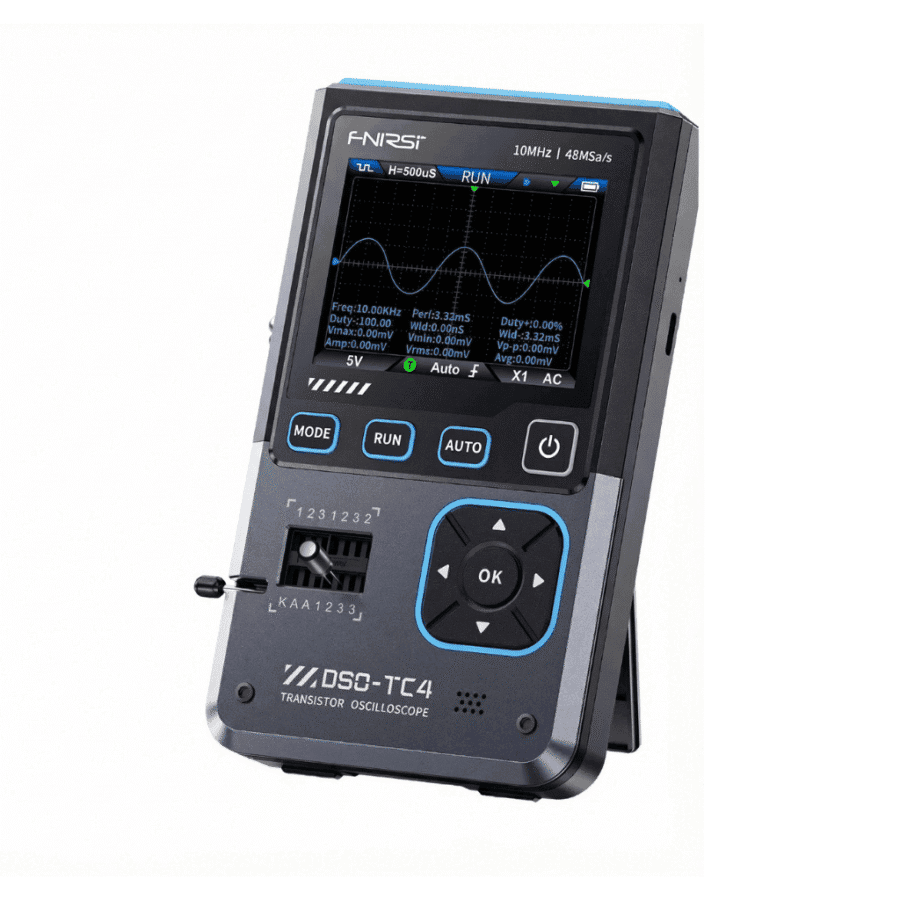
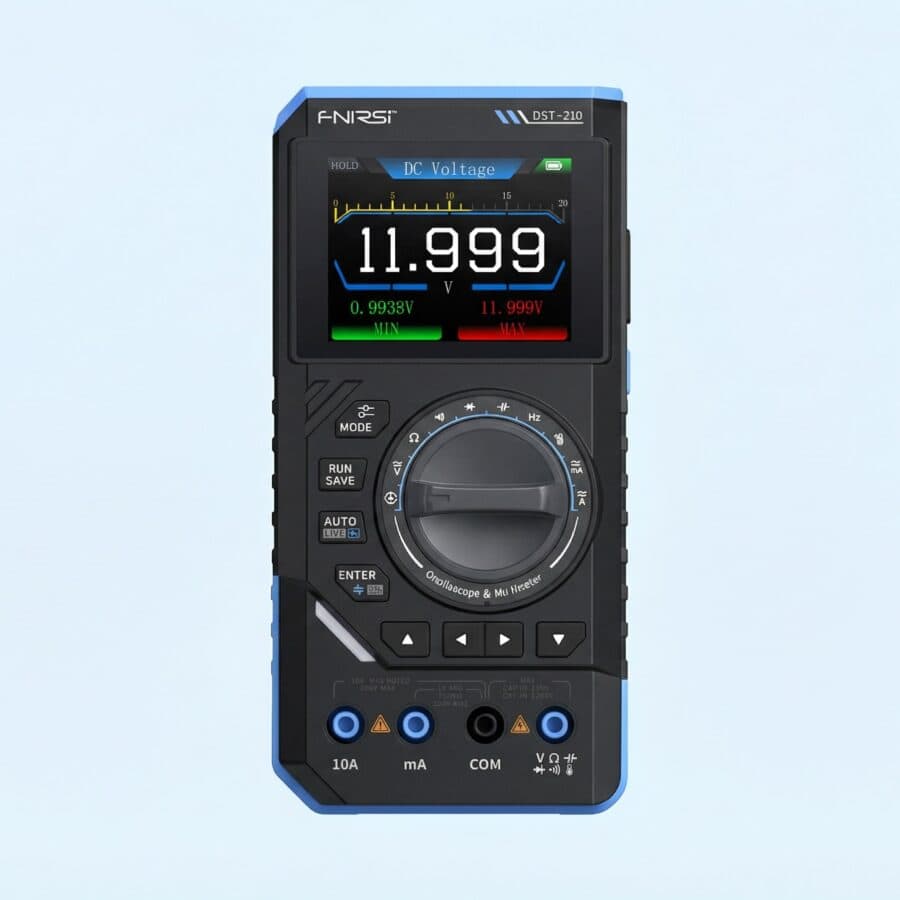
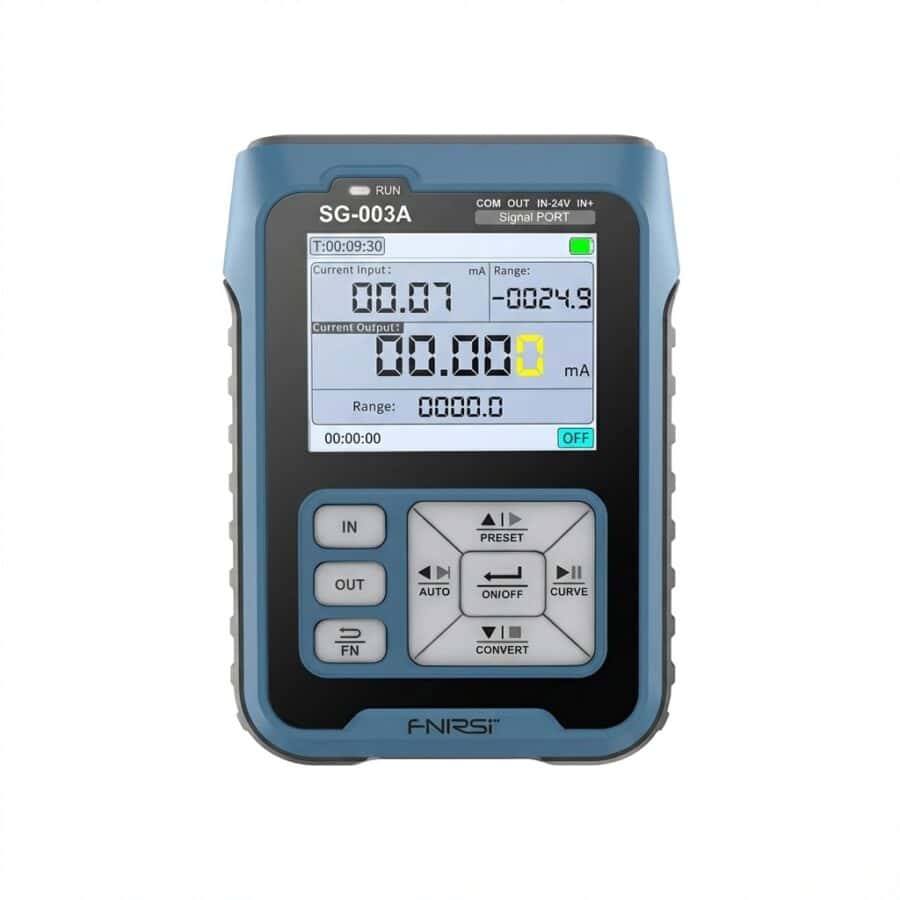
Handheld multimeters provide portable electrical measurement that travels wherever you need to work.
These compact instruments measure voltage, current, and resistance while fitting comfortably in your hand, pocket, or tool bag.
FNIRSI handheld multimeters feature True RMS measurement for accurate readings on non-sinusoidal waveforms. Auto-ranging simplifies operation by selecting measurement ranges automatically. High-count displays up to 60,000 counts provide fine resolution for precise readings.
A reliable handheld multimeter belongs in every toolkit. Field service, on-site repairs, and mobile electronics work all require portable measurement capability that benchtop instruments cannot provide.
Why Choose a Handheld Multimeter?
Portability enables measurement at the point of need. Automotive diagnostics happen at the vehicle. Appliance repairs take place in homes. Industrial troubleshooting occurs at machinery locations. Handheld multimeters bring measurement capability to these situations.
Compact size fits tool bags and storage cases alongside other equipment. A quality handheld multimeter adds comprehensive measurement capability without bulk. Service technicians carry essential test functions on every call.
One-handed operation speeds fieldwork. Handheld designs balance comfortably while you position probes with both hands or hold a probe in each hand. Ergonomic shapes reduce fatigue during extended use.
Rugged construction survives real-world conditions. Drop-resistant housings, protective holsters, and robust probe connections handle the demands of mobile work environments.
Battery operation eliminates mains power requirements. Work in vehicles, outdoor locations, and buildings without convenient power access. Long battery life completes full workdays without replacement.
Who Uses Handheld Multimeters?
Field service technicians diagnose equipment at customer sites. HVAC systems, appliances, industrial machinery, and building services require on-location measurement. A handheld multimeter fits the service toolkit for every call.
Electricians test wiring, verify circuits, and ensure safe installations. Voltage presence testing, continuity checking, and resistance measurement happen throughout electrical work. Portable meters reach junction boxes, panels, and outlets wherever they are located.
Automotive technicians measure battery voltage, test sensors, and diagnose charging systems at vehicles. Handheld meters fit under bonnets and into tight engine compartments where benchtop instruments cannot reach.
Electronics hobbyists building portable projects appreciate instruments matching their mobile workstyle. Maker spaces, temporary setups, and projects away from the main workbench benefit from portable measurement.
Repair technicians working on mobile phones, laptops, and consumer electronics need meters that move to the work. Portable multimeters complement microscopes, hot air stations, and other repair tools.
Home DIY enthusiasts test household electrical systems, batteries, and electronic devices. A handheld multimeter helps verify outlet voltage, check battery condition, and troubleshoot common electrical problems safely.
Handheld vs Bench Multimeters
Handheld multimeters prioritise portability and convenience. Compact size, battery power, and rugged construction suit mobile work. Most users find handheld meters sufficient for typical measurement needs.
Bench multimeters offer higher accuracy and additional features for demanding applications. Larger displays improve readability during extended sessions. Mains power eliminates battery concerns. These suit permanent workshop installation.
Many users own both types. A handheld multimeter handles field service and portable work. A bench meter serves as the primary workshop instrument for detailed measurements requiring maximum accuracy.
For most hobbyist, repair, and field service applications, a quality handheld multimeter provides all necessary capability in a convenient portable format.
Key Specifications to Consider
Display count indicates measurement resolution. A 6000-count meter shows readings like 5.999V with 1mV resolution. Higher counts like 60,000 provide finer resolution for precision work. Most applications suit 6000-count meters well.
True RMS capability ensures accurate AC measurements regardless of waveform shape. Modern electronics contain switch-mode power supplies and motor drives producing non-sinusoidal currents. True RMS meters measure these accurately while basic meters show errors.
DC voltage accuracy specifies measurement precision. Typical handheld meters achieve ±0.5% to ±1% accuracy. Higher accuracy suits calibration and precision applications. Most repair and troubleshooting work tolerates standard accuracy levels.
AC bandwidth determines the highest frequency AC signals measured accurately. Basic meters work to a few hundred hertz. Wider bandwidth suits measuring signals from inverters and switching circuits.
Current ranges must cover your measurement needs. Ranges from microamps through 10A or 20A suit most electronics and electrical work. Separate high-current inputs protect the meter from overload on sensitive ranges.
Safety ratings matter for mains voltage work. CAT II suits household appliances and electronics. CAT III covers distribution wiring. CAT IV handles utility connections. Choose ratings matching your highest-risk measurements.
Additional functions extend capability beyond basic voltage, current, and resistance. Capacitance measurement tests capacitors directly. Frequency counting measures signal frequencies. Temperature measurement via thermocouple suits HVAC applications. Continuity beeper speeds connection testing.
Essential Features for Fieldwork
Auto-ranging eliminates manual range selection. The meter chooses appropriate ranges automatically based on input signal. This speeds measurement and prevents overload damage from incorrect range selection.
Data hold freezes displayed readings for recording. When you cannot watch the display while probing, data hold captures values for review after removing probes from the measurement point.
Backlit display enables reading in dim lighting. Under-bonnet automotive work, equipment enclosures, and low-light environments benefit from illuminated screens.
Auto power-off preserves battery life. The meter switches off after periods of inactivity, preventing dead batteries from forgotten instruments left on in tool bags.
Min/max recording captures extreme values over time. Monitor circuits for intermittent faults or track values during operation. Review captured minimums and maximums after the monitoring period.
Relative mode displays difference from a reference value. Zero out lead resistance for accurate low-resistance measurement. Show deviation from expected values for comparison testing.
Measurement Applications
Voltage testing verifies power presence and levels. Check battery voltage, confirm supply rail levels, and verify outlet voltage. Both DC and AC voltage measurement suits different applications.
Current measurement determines circuit power consumption and identifies faults. Measure standby current, verify load current, and detect excessive draw indicating problems.
Resistance measurement checks components and connections. Verify resistor values, test fuses, and measure winding resistance. Continuity mode speeds connection verification with audible feedback.
Diode testing verifies semiconductor junctions. Forward voltage readings identify good diodes and detect failures. LED testing confirms function and colour.
Capacitance measurement tests capacitors without separate instruments. Verify values before installation and check suspect components during troubleshooting.
Pair With Other Test Equipment
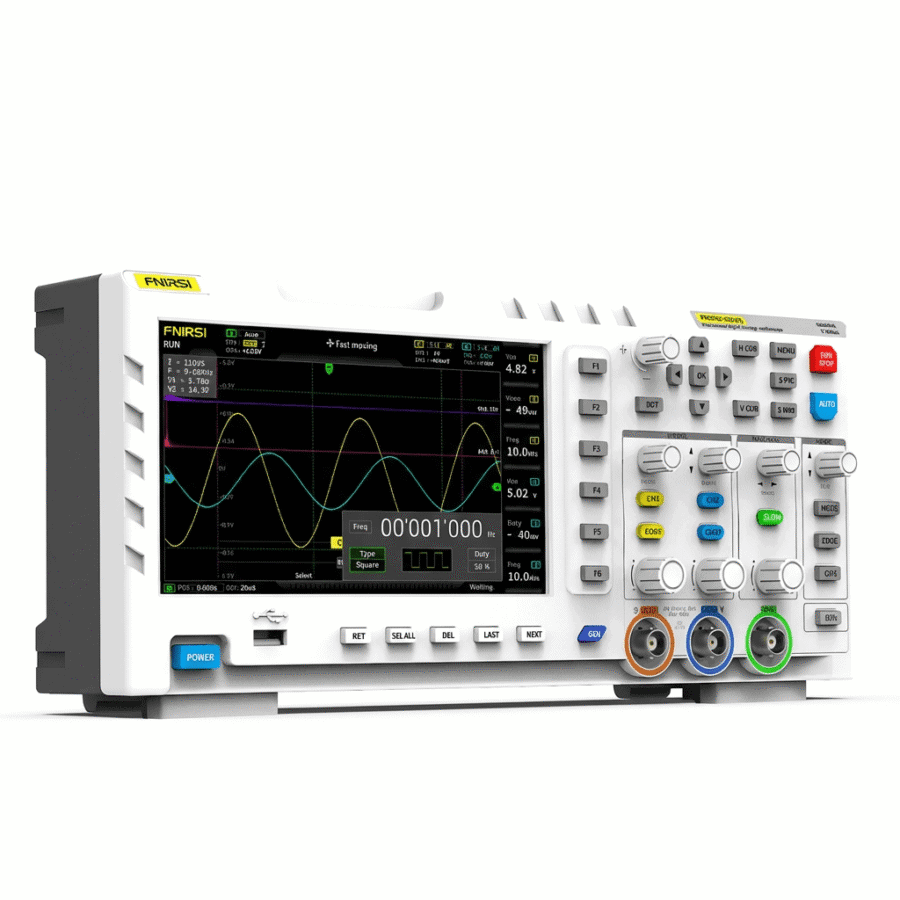
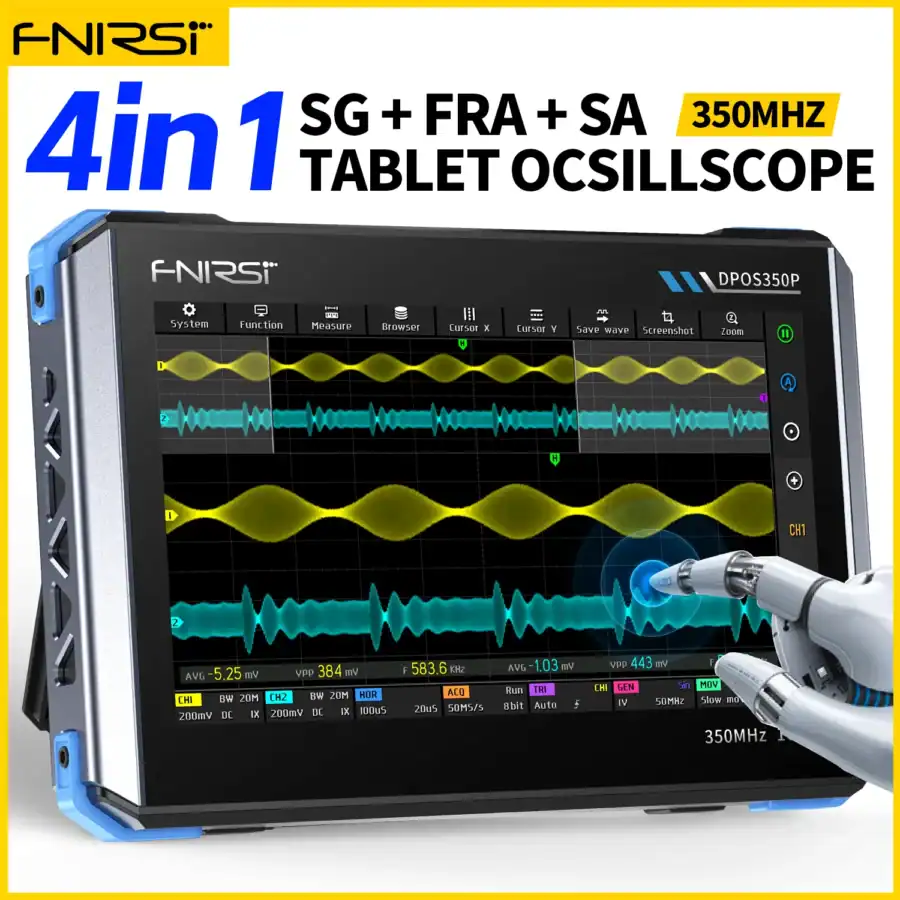
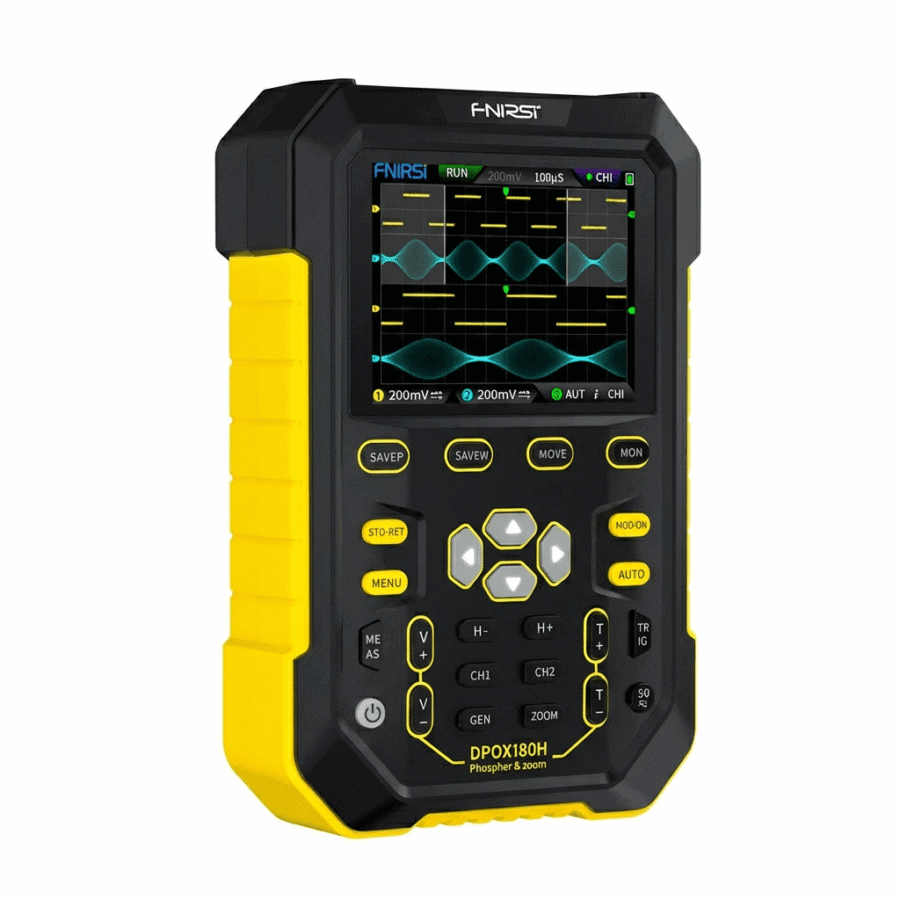
Handheld multimeters complement other portable instruments effectively. A handheld oscilloscope adds waveform visibility that multimeters cannot provide. Together they handle both static and dynamic measurements.
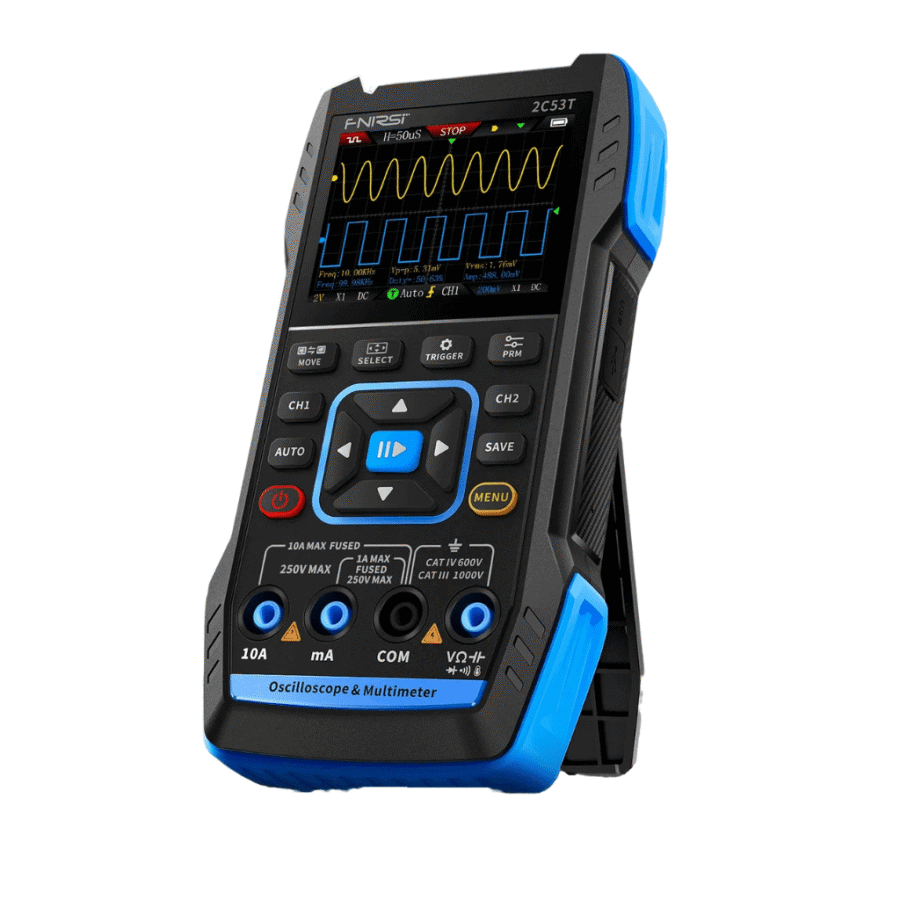
For combined functionality in one instrument, handheld oscilloscope multimeters integrate waveform display with standard multimeter functions.
Component verification beyond basic resistance measurement benefits from dedicated testers. Component testers for electronics identify transistors, measure ESR, and test capacitors comprehensively.
Signal injection for troubleshooting requires waveform sources. Handheld signal generators produce test signals in portable form factors matching your handheld multimeter.
USB power measurement suits modern charging diagnostics. USB testers measure voltage, current, and power through USB connections that standard multimeters access less conveniently.
UK Delivery and Support
Orders ship from our UK warehouse within 1-2 business days. Royal Mail delivers to most UK addresses in 24-48 hours.
Every handheld multimeter includes a 12-month guarantee and 60-day easy return period. UK consumer protection applies to every purchase, with our policies fully compliant with Distance Selling Regulations. Customer service responds within 1 business day.
Every multimeter we sell is genuine FNIRSI equipment with full manufacturer warranty coverage.
Shop now to find the handheld multimeter that matches your portable measurement needs.
Frequently Asked Questions
Where can I find a budget handheld multimeter?
FNIRSI handheld multimeters deliver portable measurement capability at accessible prices. Our range includes basic meters for beginners through high-count True RMS models for demanding field service applications. Features include auto-ranging, backlit displays, and multiple measurement functions. All models ship from our UK warehouse with fast Royal Mail delivery, 12-month guarantee, and 60-day easy returns.
Do I need True RMS in a handheld multimeter?
True RMS capability matters when measuring AC current or voltage from modern electronics. Switch-mode power supplies, LED dimmers, and variable speed motor drives produce non-sinusoidal waveforms. True RMS meters measure these accurately while basic meters can show errors of 20% or more. For measuring pure sine wave mains voltage or DC only, True RMS provides no advantage. If your work involves any modern power electronics or motor controls, True RMS prevents measurement errors.
What safety rating do I need for a handheld multimeter?
Safety ratings indicate protection against voltage transients in different environments. CAT II suits measurements on household appliances and electronics connected to outlets. CAT III suits distribution wiring including circuit breaker panels and fixed equipment. CAT IV suits utility connections and outdoor measurements. Choose the rating matching your highest-risk work. Most electronics hobbyists and repair technicians working on low-voltage circuits need CAT II minimum. Electricians working on building wiring need CAT III or higher. When in doubt, choose higher ratings for greater protection.