Electronic test equipment measures, analyses, and verifies electrical signals in circuits and systems.
These instruments form the foundation of any electronics workbench, enabling everything from basic voltage checks to complex waveform analysis.
FNIRSI manufactures a complete range of test equipment designed for accessibility without sacrificing capability. Oscilloscopes, multimeters, signal generators, power supplies, and component testers deliver the measurements that hobbyists, students, and professional technicians need for their work.
Proper test equipment transforms electronics from guesswork into science. Measuring what actually happens in your circuits reveals problems that assumptions cannot find and confirms that designs work as intended.
Essential Test Equipment Categories
Every electronics workbench needs certain fundamental instruments. The specific requirements vary by application, but most users benefit from equipment across several categories working together.
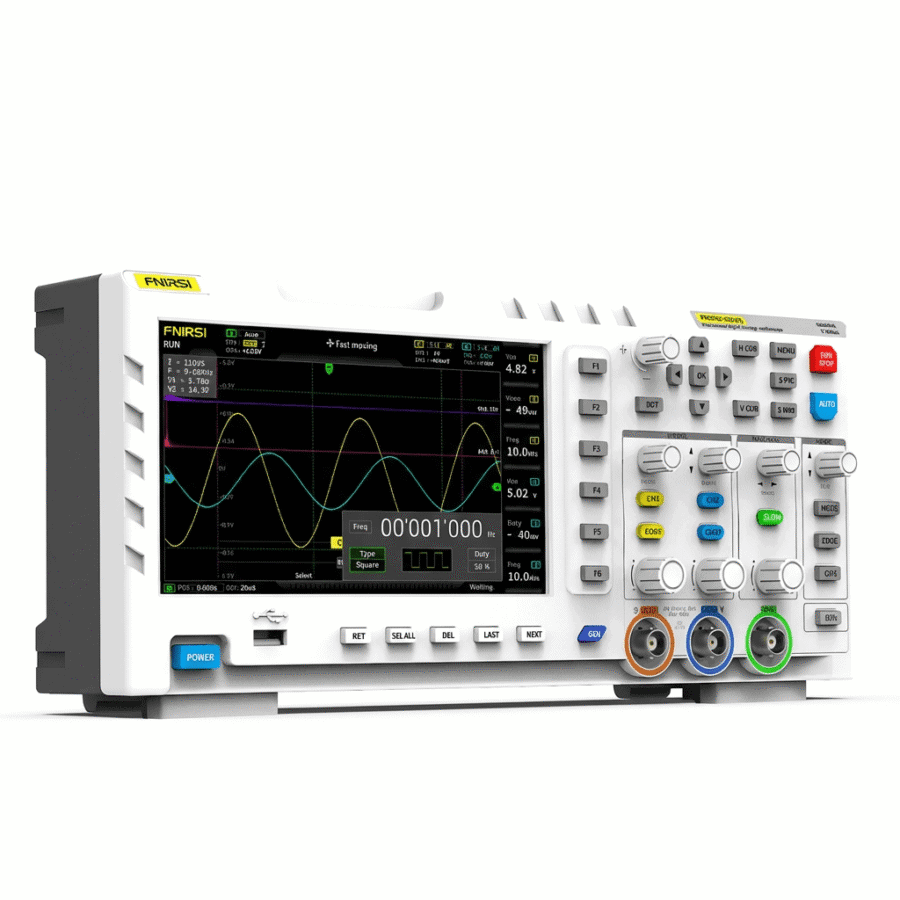
Oscilloscopes display voltage changes over time as waveforms. These instruments reveal signal behaviour that other tools cannot show. From verifying clock signals to analysing communication protocols, oscilloscopes provide insight into dynamic circuit operation.
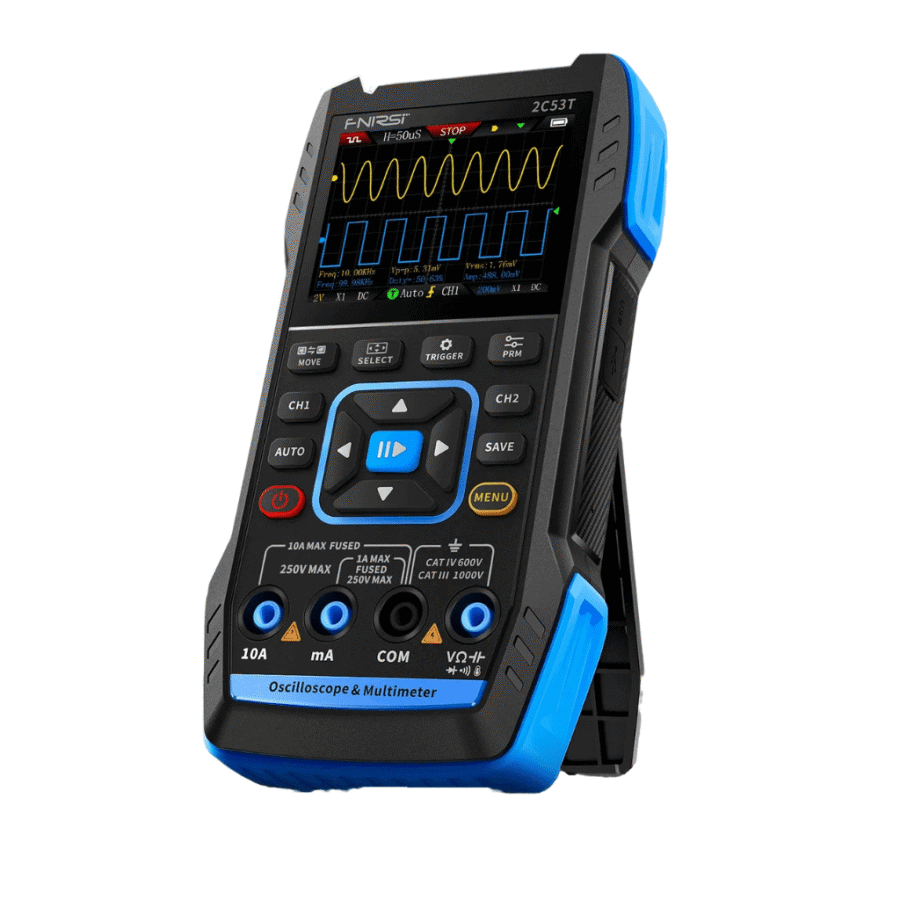
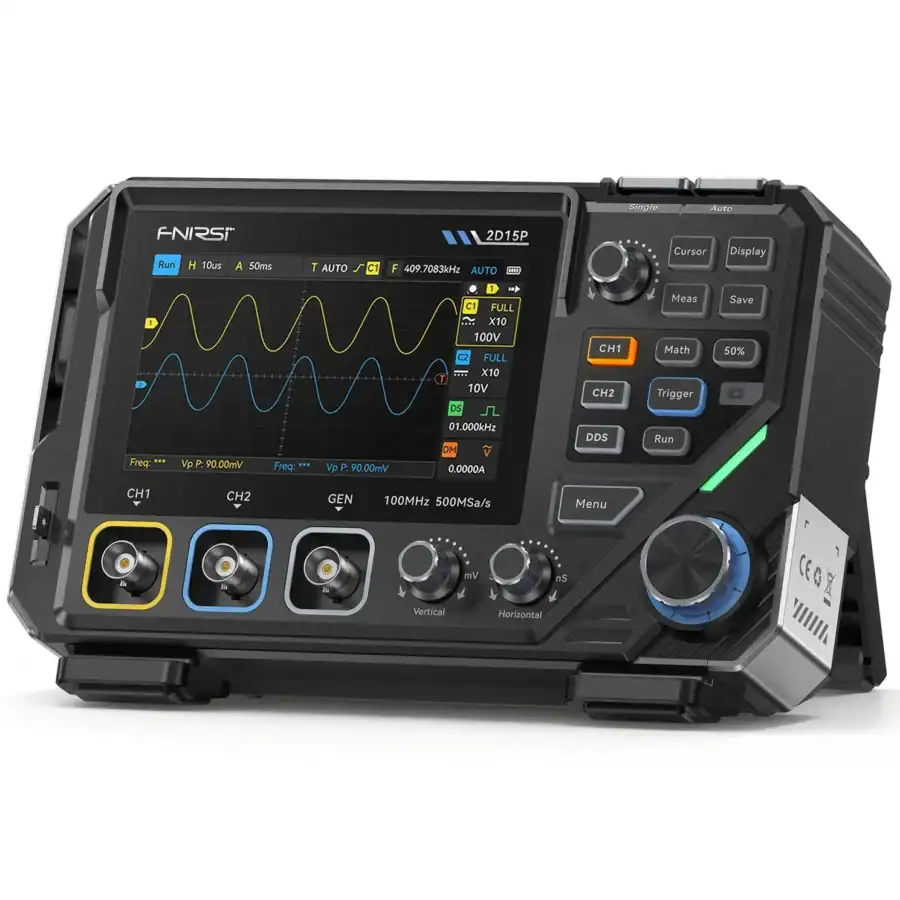
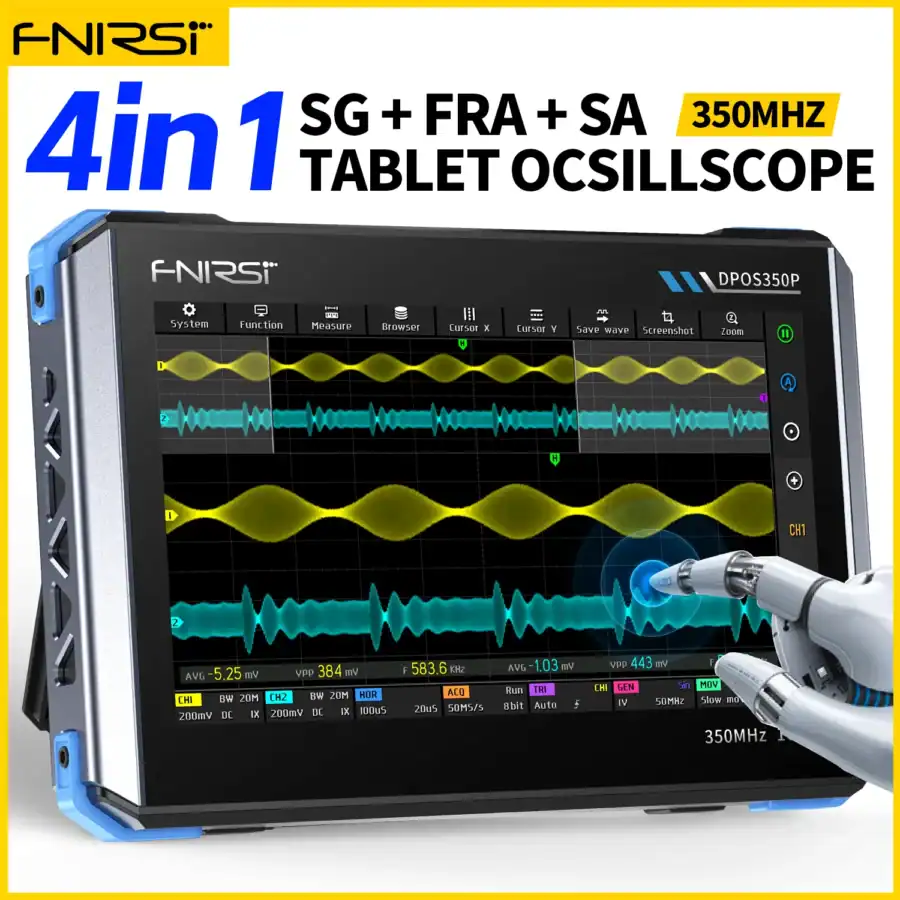
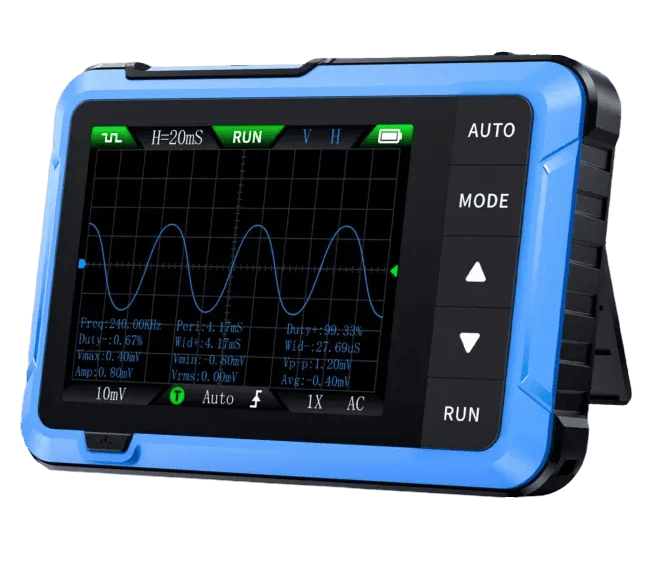
Browse our digital oscilloscopes for the complete range. Choose handheld oscilloscopes for portable work, tablet oscilloscopes for larger displays with portability, or benchtop oscilloscopes for maximum capability in workshop settings.
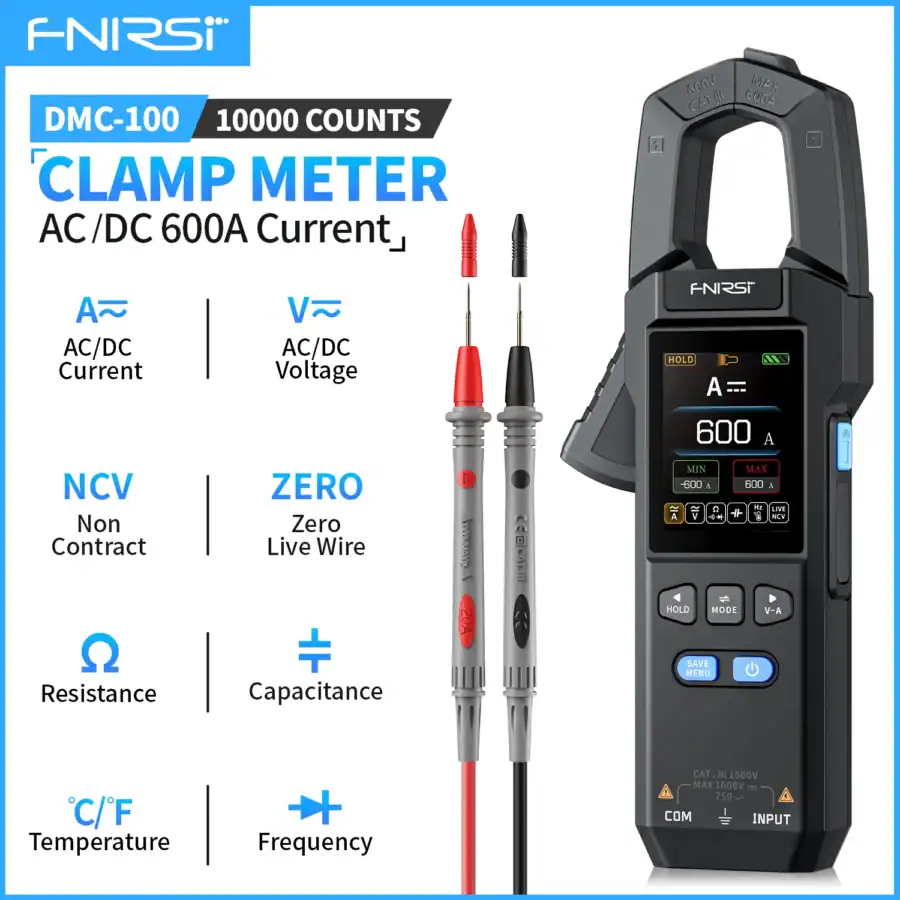
Multimeters measure voltage, current, and resistance. These versatile instruments handle the basic measurements required for virtually all electronics work. Every toolkit needs at least one reliable multimeter.
Explore our digital multimeters for bench and general use. Handheld multimeters provide portable measurement capability for field service and mobile work.
Signal generators produce test waveforms for circuit stimulation. These instruments output sine waves, square waves, and other signals for testing amplifiers, filters, and signal processing circuits.
Browse handheld signal generators for portable waveform generation. Oscilloscopes with signal generators combine waveform output with measurement in single instruments.
Power supplies provide controlled DC voltage and current for circuit testing. Adjustable output matches any circuit requirement while current limiting protects against damage during development.
View our bench power supplies for workshop use with adjustable voltage and current control.
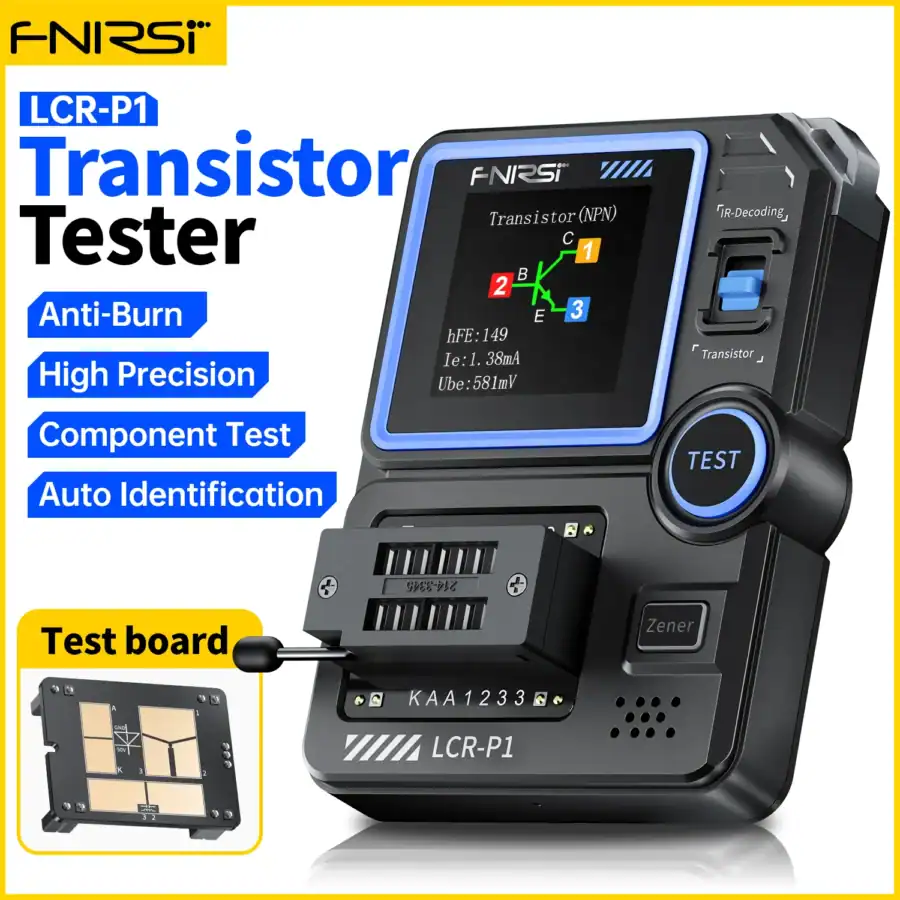
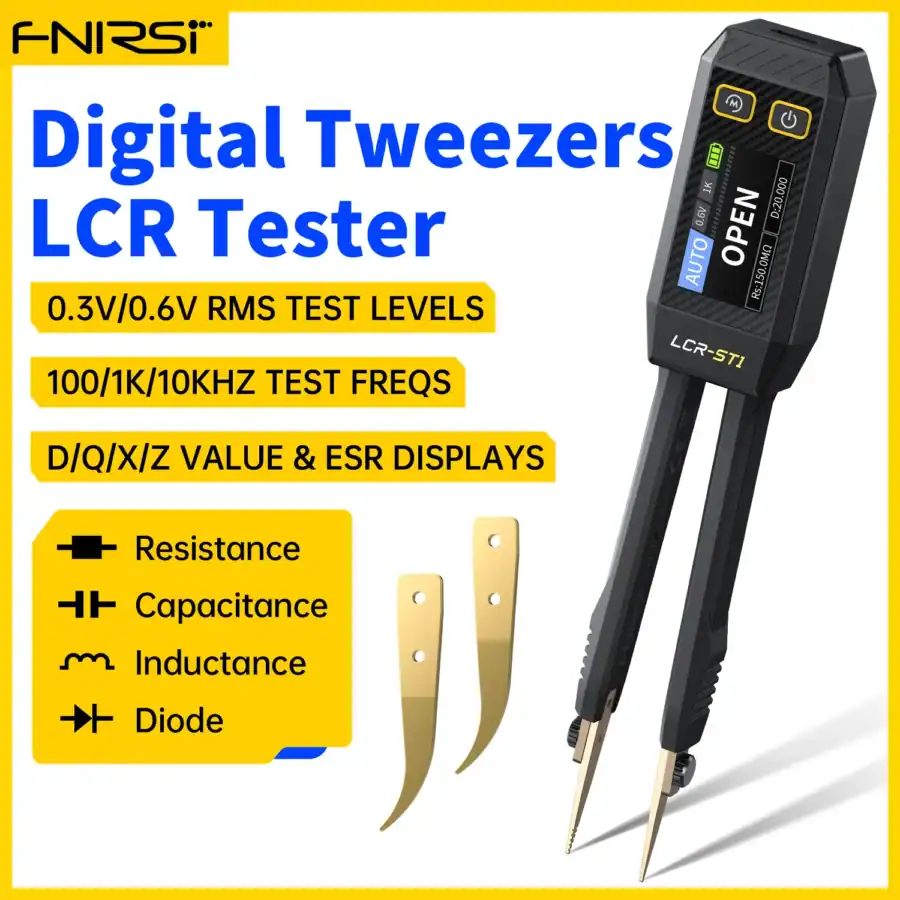
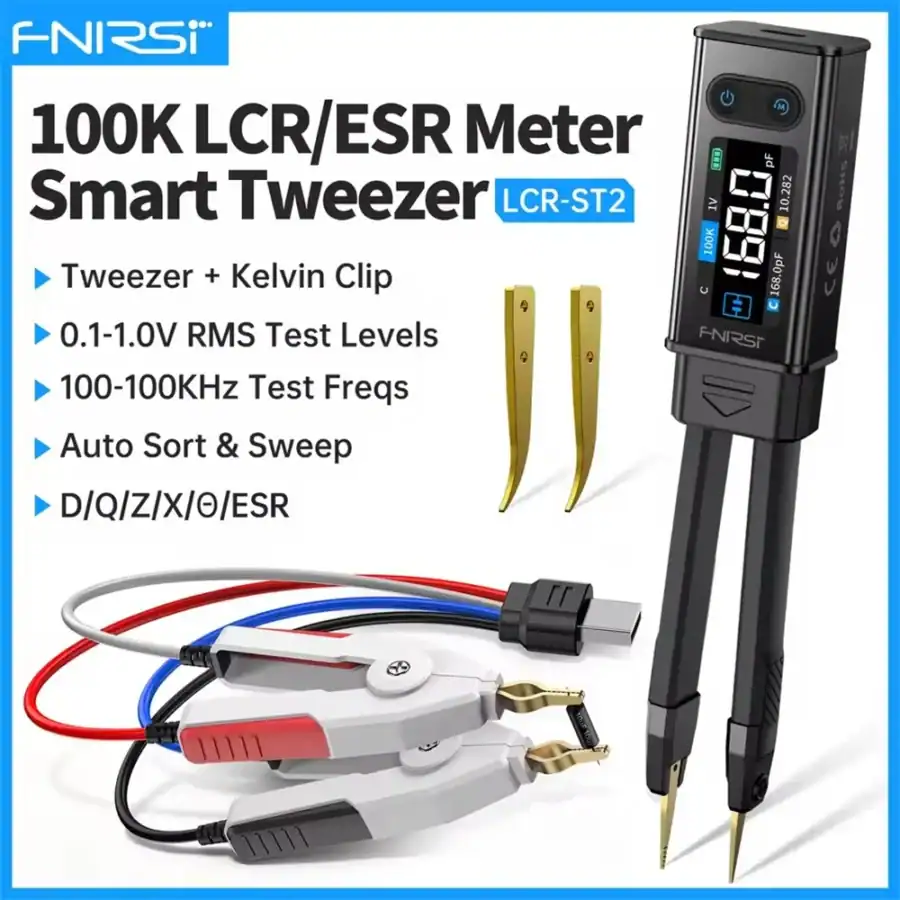
Component testers identify and measure individual electronic parts. These instruments determine component type, measure values, and identify pinouts automatically.
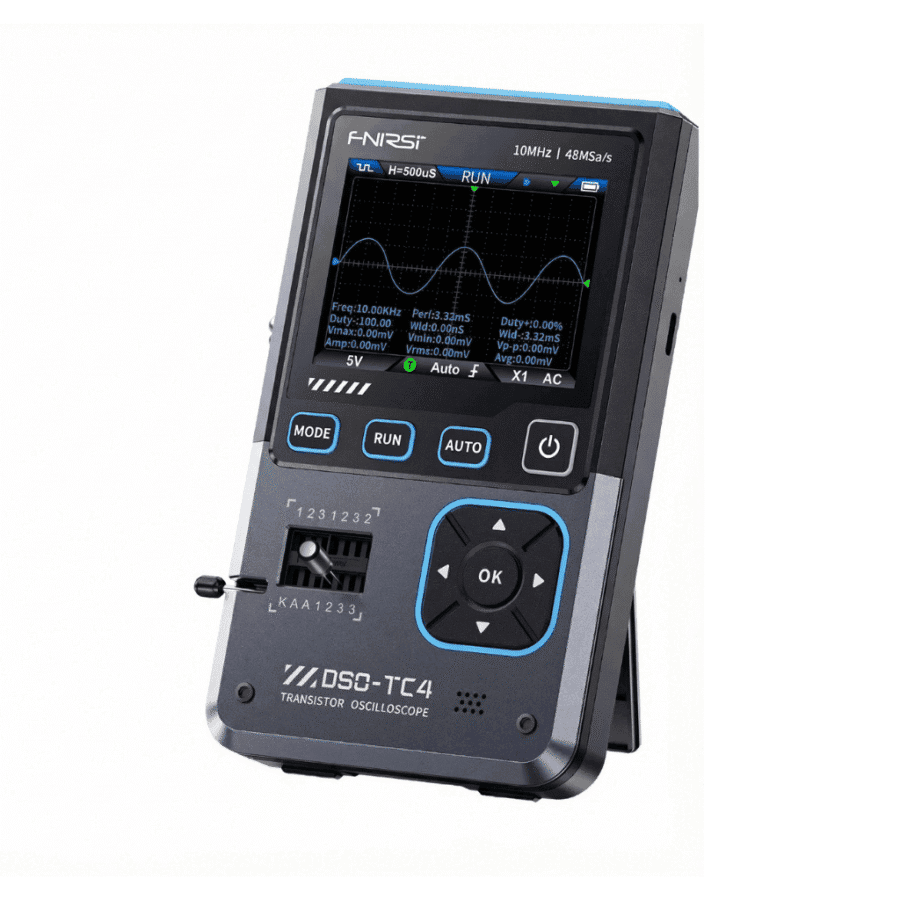
Explore component testers for electronics including transistor testers, LCR meters, and ESR meters.
Specialised Test Equipment
Beyond the fundamentals, specialised instruments address specific measurement needs.
Automotive oscilloscopes include features for vehicle diagnostics. Ignition analysis, sensor measurement, and CAN bus decoding suit automotive electrical work. Browse our automotive oscilloscopes for vehicle-specific capability.
Multi-channel oscilloscopes capture four or more signals simultaneously. Complex systems with multiple interacting signals benefit from viewing everything together. Explore multi-channel oscilloscopes for expanded input options.
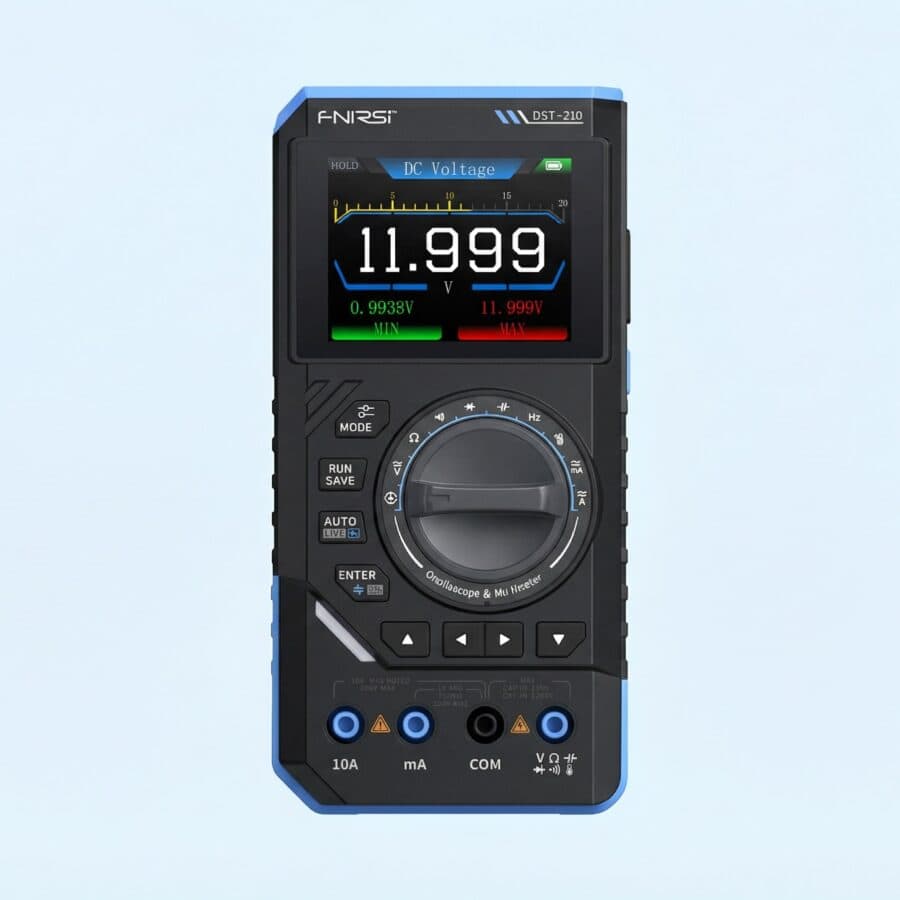
Combination instruments merge multiple functions into single devices. Handheld oscilloscope multimeters combine waveform display with standard multimeter measurements, reducing the number of separate tools required.
Radiation detectors measure ionising radiation and electromagnetic fields. Radiation detectors including Geiger counters and EMF meters serve environmental monitoring applications.
USB testers measure voltage, current, and power through USB connections. USB testers verify charger output, test cable quality, and monitor device power consumption.
Supporting Equipment and Accessories
Test instruments work best with proper supporting equipment and accessories.
Oscilloscope probes connect oscilloscopes to circuits under test. Probe quality directly affects measurement accuracy. Oscilloscope probes matched to your oscilloscope bandwidth ensure full system performance.
Soldering equipment enables circuit construction and repair. Soldering irons handle through-hole work and fine connections. Hot air stations rework surface mount components that soldering irons cannot address.
Who Uses Electronic Test Equipment?
Electronics hobbyists build Arduino, Raspberry Pi, and custom projects. Test equipment verifies designs work correctly, debugs problems, and helps develop new skills. Starting with basic instruments and expanding over time builds a capable home workshop.
Students learning electronics need hands-on measurement practice. Personal test equipment enables study outside scheduled lab sessions. Affordable instruments make individual ownership practical rather than relying solely on shared institutional equipment.
Repair technicians diagnose faults in consumer electronics, appliances, and industrial systems. Oscilloscopes show signal behaviour, multimeters check voltages and continuity, and component testers identify failed parts. Professional repair requires reliable instruments that perform consistently.
Educators demonstrate concepts and supervise laboratory work. Test equipment makes theoretical principles visible and measurable. Affordable instruments enable more student workstations rather than shared demonstration units.
Audio enthusiasts measure amplifier performance, analyse distortion, and troubleshoot signal paths. Oscilloscopes show waveforms while FFT functions reveal frequency content and harmonics.
Automotive enthusiasts diagnose vehicle electrical systems. Sensor signals, CAN bus communication, and charging system behaviour become visible with appropriate test equipment.
Building Your Test Equipment Collection
Start with fundamentals and expand based on your specific needs. A digital multimeter handles basic voltage, current, and resistance measurements essential for all electronics work. Most users purchase a multimeter first.
An oscilloscope adds waveform visibility that multimeters cannot provide. For hobbyist work, a handheld or tablet oscilloscope with 100MHz bandwidth suits most applications. Choose benchtop models for workshop use requiring larger displays and advanced features.
A bench power supply replaces batteries and adapters with controlled, adjustable power. Variable voltage matches any circuit requirement. Current limiting protects during development when mistakes happen.
Component testers speed troubleshooting and inventory management. Quick identification of unknown parts and verification before assembly saves time and prevents errors.
Signal generators enable stimulus-response testing. Generate known signals and measure circuit response to verify performance against specifications.
Why Choose FNIRSI Test Equipment?
FNIRSI designs instruments that deliver genuine capability at accessible prices. The goal is real measurement performance, not toy-grade equipment that frustrates more than it helps.
Professional-tier instruments from traditional manufacturers cost thousands of pounds. FNIRSI equipment provides the functionality most users actually need at a fraction of that cost. The specifications suit hobbyist, educational, and many professional applications without unused capabilities that inflate prices.
Multifunction designs combine several instruments into single devices. A handheld oscilloscope that also includes multimeter and signal generator functions reduces cost and storage space compared to separate instruments.
Portable options dominate the range. Handheld and tablet form factors suit users who need measurement capability beyond fixed workbenches. Battery operation and compact sizes enable field service and mobile work.
Regular firmware updates incorporate user feedback and add features. FNIRSI continues developing products after release rather than abandoning them.
UK Delivery and Support
Orders ship from our UK warehouse within 1-2 business days. Royal Mail delivers to most UK addresses in 24-48 hours. No month-long waits from overseas suppliers.
Every instrument includes a 12-month guarantee and 60-day easy return period. UK consumer protection applies to every purchase, with our policies fully compliant with Distance Selling Regulations. Customer service responds within 1 business day.
Browse our new arrivals for the latest additions to our range. Check our best sellers to see what other customers choose most often.
Every product we sell is genuine FNIRSI equipment with full manufacturer warranty coverage.
Shop now to find the electronic test equipment that matches your requirements.
Frequently Asked Questions
Where can I find budget electronic test equipment?
FNIRSI electronic test equipment delivers capable measurement performance at accessible prices. Our range includes oscilloscopes from handheld to benchtop, digital multimeters, signal generators, power supplies, and component testers. Whether you need a single instrument or complete workshop setup, we offer options matching various budgets and requirements. All products ship from our UK warehouse with fast Royal Mail delivery, 12-month guarantee, and 60-day easy returns.
What test equipment do I need to start learning electronics?
A digital multimeter provides essential voltage, current, and resistance measurements for beginners. This single instrument handles basic circuit testing and component verification. As you progress, add an oscilloscope to see waveforms and understand signal behaviour. A bench power supply replaces batteries with adjustable, protected power for projects. Component testers help identify parts and verify values. Start with a multimeter, then expand based on your specific interests and projects.
What is the difference between handheld and benchtop test equipment?
Handheld instruments prioritise portability with battery power, compact size, and lighter weight. They suit field service, mobile work, and users with limited workspace. Benchtop instruments offer larger displays, deeper features, and higher specifications but require mains power and dedicated bench space. Many users own both types, using benchtop equipment as their primary workshop instruments and handheld devices for portable measurements and supplementary capability.